

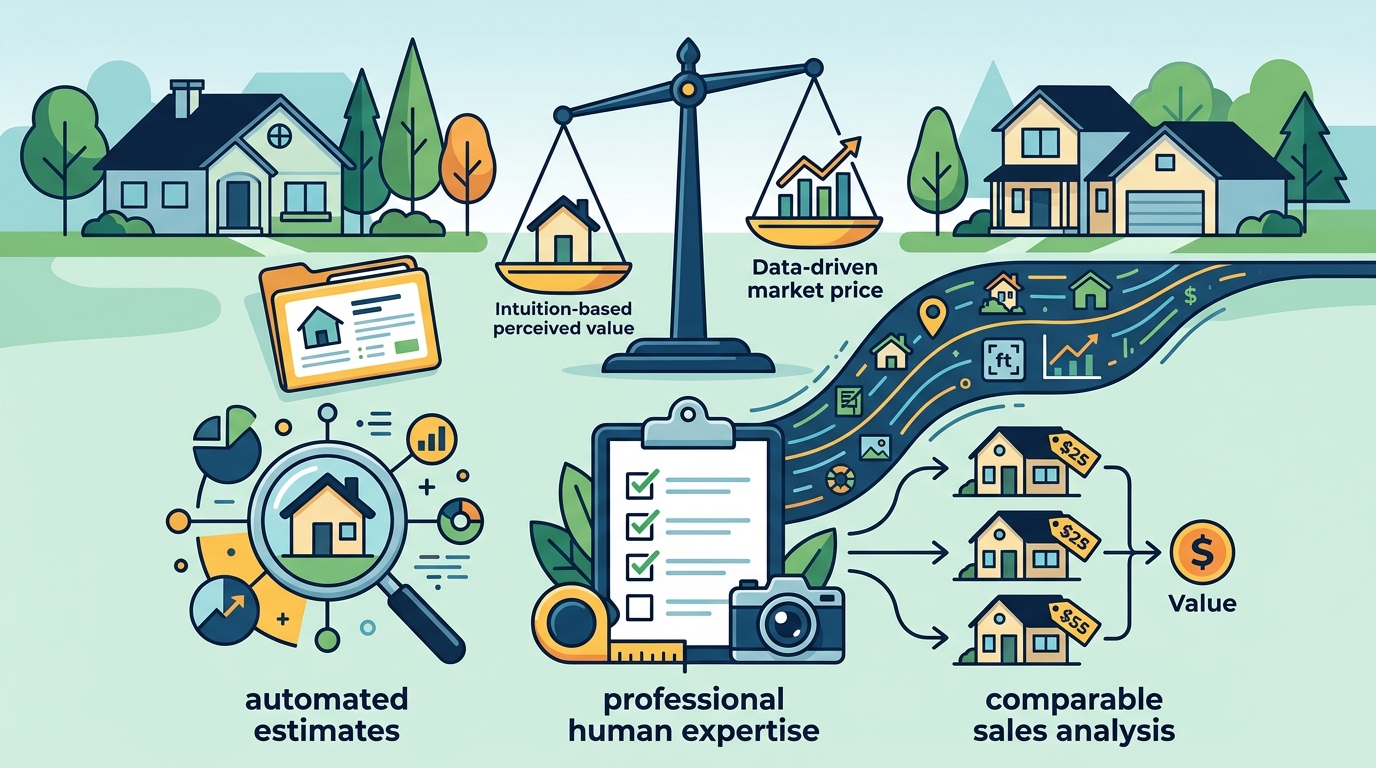
Understanding the true worth of your real estate asset is the foundational step in any major financial decision, whether you are preparing to sell, refinance, or simply assess your net worth. According to recent housing market analyses, the variance between a property's perceived value and its actual market price can often exceed 15 percent when relying solely on intuition rather than data-driven metrics. This discrepancy highlights the critical need for a rigorous valuation process that combines automated estimates with professional human expertise. In this guide, we will dissect the three primary methods used by industry professionals to calculate property value, ensuring you have the precise figures needed to negotiate effectively and make informed financial moves.
Understanding the Core Valuation Methods
Before diving into the specifics of each method, it is essential to define the core concept that drives all real estate pricing. Market value is the most probable price a property should bring in a competitive and open market under all conditions requisite to a fair sale. This definition assumes that both the buyer and seller are acting prudently and with knowledge of the relevant facts. Achieving an accurate determination requires looking beyond the listing price of neighboring homes and analyzing the underlying data that supports those numbers.
There are three distinct pathways to arrive at this number. Each serves a different purpose and carries varying levels of cost and accuracy. The first is the quick, digital estimate. The second is the strategic, agent-led analysis. The third is the formal, lender-required appraisal. Understanding the nuances of each allows you to choose the right tool for your specific situation.
The Role of Automated Valuation Models
Automated Valuation Models, commonly known as AVMs, are algorithmic tools used by major real estate platforms to estimate property values instantly. These models process vast amounts of public data, including recent sales, tax assessments, and property characteristics, to generate a price range. An AVM is a computer-generated estimate of a property's market value based on public records and recent sales data.
While AVMs are excellent for getting a quick ballpark figure, they lack the nuance of physical inspection. They cannot see the condition of the roof, the quality of the finishes, or the specific layout of the home. Recent studies on AVM accuracy suggest that while they are generally within 5 to 10 percent of the final sale price for standard homes, the margin of error can widen significantly for unique or luxury properties. Use AVMs as a starting point, not a final answer.
Conducting a Comparative Market Analysis
A Comparative Market Analysis, or CMA, is a detailed report prepared by a licensed real estate agent. This method is widely considered the most practical approach for homeowners who are considering selling. The agent selects comparable properties, often called "comps," that have recently sold in your immediate vicinity. These comps should be similar in size, age, condition, and location to your property.
The agent then adjusts the prices of these comps based on differences. For example, if a comp sold for $500,000 but has a finished basement that your home lacks, the agent might subtract value from that comp to align it with your property's features. This process requires local market expertise and an understanding of buyer psychology. A skilled agent can identify trends that raw data misses, such as a shift in buyer preference toward open floor plans in your specific neighborhood.
When to Hire a Professional Appraiser
A professional appraisal is a formal assessment conducted by a licensed appraiser who provides an unbiased opinion of a property's value. This method is typically required by lenders during the mortgage process to ensure the loan amount does not exceed the property's worth. A professional appraisal is a formal, unbiased opinion of value conducted by a licensed expert for lending or legal purposes.
The appraiser visits the property, inspects its condition, and measures its size. They then analyze recent sales data and consider the property's location and improvements. Unlike a CMA, which is often free or low-cost when you are working with an agent, an appraisal is a paid service. However, its objectivity makes it the gold standard for dispute resolution, estate planning, and refinancing. The appraiser's report is a detailed document that provides a clear justification for the final value conclusion.
Key Factors That Influence Property Value
Regardless of the method used, certain universal factors drive property value. Location remains the most significant determinant. Proximity to top-rated schools, low crime rates, and access to amenities like parks and shopping centers all contribute to higher valuations. The physical condition of the home is equally critical. Recent updates to major systems, such as HVAC, plumbing, and electrical, can add substantial value. Similarly, modernized kitchens and bathrooms are known to yield high returns on investment.
Market conditions also play a pivotal role. In a seller's market, where inventory is low and demand is high, properties often sell above asking price. Conversely, in a buyer's market, prices may stagnate or decline. Economic indicators, such as interest rates and employment levels, influence buyer purchasing power and, consequently, property values. Keeping an eye on these macroeconomic factors helps you time your valuation efforts for maximum accuracy.
Comparison of Valuation Services
Choosing the right valuation method depends on your goals, timeline, and budget. The table below outlines the key differences between the primary options available to homeowners.
| Valuation Method | Cost | Accuracy Level | Best Use Case | Timeframe |
|---|---|---|---|---|
| Automated Valuation Model (AVM) | Free | Moderate | Quick initial estimate | Instant |
| Comparative Market Analysis (CMA) | Low to Free | High | Listing price strategy | 1-3 Days |
| Professional Appraisal | $300-$600+ | Very High | Lending, legal, disputes | 1-2 Weeks |
Key Takeaways
- Market Value Definition: Market value is the most probable price a property should bring in a competitive and open market under all conditions requisite to a fair sale.
- AVM Limitations: An AVM is a computer-generated estimate of a property's market value based on public records and recent sales data, but it lacks physical inspection nuances.
- CMA Strategic Value: A Comparative Market Analysis provides a localized, agent-led perspective that accounts for current buyer trends and specific property conditions.
- Appraisal Objectivity: A professional appraisal is a formal, unbiased opinion of value conducted by a licensed expert for lending or legal purposes.
- Location Dominance: Proximity to schools, amenities, and low crime rates are the primary drivers of long-term property appreciation.
- Condition Impact: Recent updates to major systems and modernized kitchens significantly boost valuation figures.
- Market Timing: Economic indicators like interest rates directly influence buyer purchasing power and current property valuations.
Frequently Asked Questions
How often should I get a new property valuation?
It is advisable to get a new valuation every two to three years, or whenever significant market shifts occur. Major renovations or changes in your neighborhood can also necessitate a fresh assessment to ensure your figures remain accurate.
Can I determine my property value without an agent?
Yes, you can use online AVM tools and review public tax records to get an estimate. However, these methods lack the contextual insight that a local professional provides, potentially leading to inaccurate pricing strategies.
What is the difference between assessed value and market value?
Assessed value is the value assigned to your property by local tax authorities for the purpose of calculating property taxes. Market value is what a willing buyer would pay a willing seller in the current open market. These two figures often differ significantly.
Do home improvements increase market value?
Not all improvements increase value equally. Kitchen and bathroom remodels typically offer the highest return on investment. Cosmetic updates like painting and landscaping also boost curb appeal and perceived value, while highly personalized renovations may not appeal to all buyers.
How does location affect property value?
Location is the most critical factor. Properties in desirable school districts, low-crime areas, and near amenities command higher prices. The desirability of the neighborhood directly influences buyer demand and, consequently, the final sale price.
When is a professional appraisal necessary?
A professional appraisal is typically required by lenders during the mortgage process to protect their financial interest. It is also necessary for estate planning, divorce proceedings, and property tax appeals where an objective, third-party opinion is needed.
What are "comps" in real estate?
Comps, or comparable sales, are recently sold properties that are similar in size, condition, and location to the subject property. Agents use comps to determine a fair market value by adjusting for differences between the comps and the subject home.
Get Your Professional Valuation Today
Accurately determining your property's market value is not just about numbers; it is about understanding the unique story of your home within the broader market context. Whether you need a quick estimate or a deep-dive strategic analysis, the right guidance can make all the difference. Visit Dina Anderson's homepage to explore our comprehensive real estate services. We specialize in providing precise, data-driven insights tailored to your specific needs. Contact us today to schedule your personalized property valuation and take the first step toward achieving your real estate goals with confidence and clarity.