

Evaluating Southern California Real Estate Markets: A Strategic Guide for Buyers and Sellers
The Southern California real estate landscape operates with a unique velocity and complexity that defies standard national trends. According to recent market analyses, home prices in the Inland Empire have shown significant resilience, with median sale prices frequently outpacing broader state averages in specific micro-markets like Rancho Cucamonga. This divergence highlights why a generic approach to property evaluation fails. Successful transactions in this region demand a hyper-localized strategy that accounts for inventory shortages, interest rate fluctuations, and community-specific demand drivers. Understanding these nuances is not just helpful; it is the primary determinant of financial success in high-stakes real estate negotiations.
Understanding Current Market Dynamics
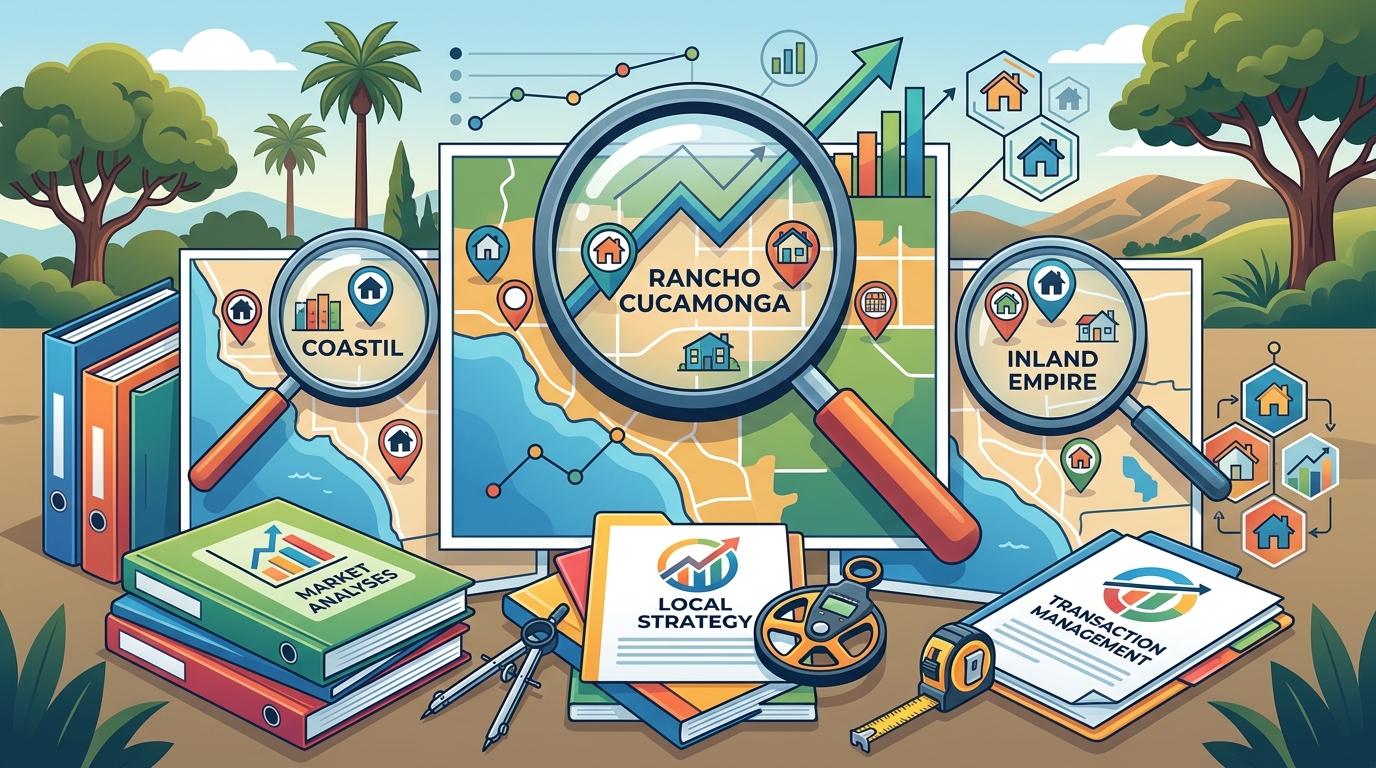
Evaluating the Southern California market begins with recognizing the distinct separation between coastal luxury segments and inland growth corridors. The Inland Empire, particularly Rancho Cucamonga, has emerged as a critical hub for move-up buyers seeking value without sacrificing lifestyle amenities. This area benefits from strong infrastructure, top-rated school districts, and a robust job market that drives consistent housing demand.
Market reports indicate that inventory levels remain tight, creating a competitive environment where well-priced homes often receive multiple offers within days. This scarcity requires sellers to be precise in their positioning and buyers to act with speed and confidence. The data shows that homes priced correctly from day one sell significantly faster than those that undergo price reductions later in the listing cycle.
For luxury buyers, the evaluation criteria shift toward exclusivity, privacy, and architectural significance. The luxury market in Southern California is less sensitive to interest rate fluctuations than the mid-tier market, but it is highly sensitive to global economic indicators. Understanding these macro trends allows agents to time listings for maximum exposure during peak international buying seasons.
Strategic Pricing and Valuation Models
Accurate pricing is the cornerstone of any successful real estate transaction. Overpricing a home is a common mistake that leads to stagnation, while underpricing can leave money on the table. The most effective valuation method combines comparative market analysis (CMA) with real-time market feedback.
Comparative Market Analysis involves reviewing recently sold properties in your immediate vicinity that share similar square footage, age, and condition. However, static data is only part of the equation. Dynamic pricing requires monitoring active listings and pending sales to gauge current buyer sentiment. This dual approach ensures that the listing price reflects both historical value and current market momentum.
For sellers, the goal is to create a sense of urgency. This is achieved by pricing the home slightly below the perceived market value to attract a larger pool of buyers, thereby increasing the likelihood of a bidding war. For buyers, understanding the true market value prevents overpayment in competitive scenarios. It involves looking beyond the asking price to analyze the price per square foot and the days on market for comparable homes.
Evaluating Properties as a Buyer
For buyers, the evaluation process is a rigorous due diligence exercise. It begins with defining clear priorities, such as school districts, commute times, and lifestyle amenities. In Southern California, proximity to open space and recreational facilities often commands a premium, making it a critical factor in long-term property value retention.
Physical inspection is non-negotiable. Buyers must assess the structural integrity, roof age, and potential for seismic retrofitting. Older homes in established neighborhoods may require significant capital improvements, which should be factored into the offer price. Additionally, evaluating the neighborhood’s future development plans is essential. Upcoming infrastructure projects can enhance property values, while undesirable developments can detract from them.
Relocation services play a vital role in this phase for out-of-state buyers. Understanding local zoning laws, property tax structures, and community regulations is complex. Professional guidance ensures that buyers avoid costly mistakes related to HOA restrictions or permit requirements for renovations. The goal is to find a home that not only meets current needs but also appreciates in value over time.
Optimizing Your Home for Maximum Exposure
Selling a home in Southern California requires more than just listing it on the MLS. It demands a comprehensive marketing strategy that highlights the property’s unique features to a targeted audience. Professional staging and high-quality photography are standard expectations, but the depth of marketing varies significantly among agents.
Top-producing agents utilize a multi-channel approach that includes virtual tours, social media campaigns, and exclusive broker open houses. This strategy maximizes visibility and attracts both local and international buyers. For luxury properties, the marketing effort extends to high-end publications and private client networks. The objective is to create a narrative around the home that resonates emotionally with potential buyers.
Pre-listing inspections and repairs can also streamline the selling process. By addressing potential issues before they are discovered by buyers, sellers can avoid negotiation delays and last-minute price reductions. This proactive approach demonstrates transparency and builds trust with prospective buyers, often leading to faster closings and higher final sale prices.
Navigating Financing and Mortgage Options
Financing is the engine that drives real estate transactions. For buyers, understanding the various loan types available is crucial. Conventional loans, FHA loans, and VA loans each have distinct requirements and benefits. In Southern California, jumbo loans are common due to the high price points of many properties. These loans require larger down payments and stricter credit qualifications.
Interest rates fluctuate based on Federal Reserve policies and economic conditions. Buyers must be prepared for rate adjustments and understand how these changes impact their monthly payments and overall affordability. Working with a knowledgeable mortgage professional can help buyers secure favorable terms and navigate complex financing scenarios. Prosperity Home Mortgage and other reputable lenders offer specialized programs tailored to the unique needs of Southern California buyers.
For sellers, understanding the buyer’s financing position is equally important. Cash offers are often preferred due to their certainty and speed, but financed offers can still be competitive if the buyer is pre-approved and financially strong. Evaluating the buyer’s loan type and down payment size helps sellers assess the likelihood of a successful closing.
When Short Sales Are the Right Option
Short sales present a complex but viable alternative for homeowners facing financial distress. A short sale occurs when a homeowner sells their property for less than the outstanding mortgage balance, with the lender’s approval. This option can help avoid foreclosure and mitigate credit damage, but it requires careful negotiation and documentation.
Evaluating whether a short sale is appropriate involves assessing the homeowner’s financial situation, the property’s current market value, and the lender’s willingness to negotiate. It is a lengthy process that demands patience and expertise. Homeowners must provide extensive financial documentation to prove their inability to continue making mortgage payments.
For buyers, purchasing a short sale can offer an opportunity to acquire a property at a discounted price. However, the process is unpredictable and can take several months to close. Buyers must be prepared for delays and potential complications. Working with an agent who specializes in short sales is essential to navigate the intricacies of lender approvals and negotiations.
Key Takeaways
- Hyper-Local Analysis: Southern California markets vary significantly by neighborhood. Rancho Cucamonga and the Inland Empire offer distinct value propositions compared to coastal areas.
- Pricing Precision: Accurate pricing based on real-time data is critical. Overpricing leads to stagnation, while strategic underpricing can spark competitive bidding.
- Marketing Depth: Luxury and high-value properties require multi-channel marketing strategies, including virtual tours and exclusive broker networks.
- Financing Complexity: Jumbo loans and conventional financing options require expert guidance to navigate interest rate fluctuations and qualification requirements.
- Short Sale Nuance: Short sales are a viable option for distressed sellers but involve lengthy negotiations and require specialized agent expertise.
- Buyer Due Diligence: Physical inspections and neighborhood evaluations are essential for buyers to avoid costly mistakes and ensure long-term value.
- Agent Selection: Choosing a top-producing agent with a proven track record in your specific micro-market is the most significant factor in transaction success.
Frequently Asked Questions
How do I determine the true market value of a home in Rancho Cucamonga?
True market value is determined through a Comparative Market Analysis (CMA) that reviews recent sales of similar properties in your immediate vicinity, combined with an assessment of current active listings and buyer demand trends.
What is the difference between a short sale and a foreclosure?
A short sale is a negotiated sale where the lender agrees to accept less than the mortgage balance, helping the homeowner avoid foreclosure. Foreclosure is a legal process where the lender repossesses the property due to non-payment, which typically has a more severe impact on credit.
Are jumbo loans common in Southern California?
Yes, jumbo loans are common in Southern California due to the high median home prices in many areas. These loans exceed conforming loan limits and typically require larger down payments and stricter credit qualifications.
How long does a short sale process take?
A short sale can take anywhere from three to six months or longer, depending on the complexity of the case, the number of lien holders, and the responsiveness of the lenders involved.
Why is professional staging important for sellers?
Professional staging helps potential buyers visualize themselves living in the home, highlighting its best features and minimizing flaws. Studies show that staged homes often sell faster and for higher prices than unstaged homes.
What should buyers look for during a home inspection?
Buyers should focus on structural integrity, roof condition, plumbing, electrical systems, and potential seismic retrofitting needs. Additionally, evaluating the neighborhood’s development plans and HOA restrictions is crucial.
How does Dina Anderson help with relocation services?
Dina Anderson provides comprehensive relocation services that include neighborhood tours, school district information, and community integration support to help buyers transition smoothly to Southern California.
Contact Dina Anderson
Evaluating the Southern California real estate market requires expertise, precision, and a deep understanding of local dynamics. Whether you are buying your first home, selling a luxury property, or navigating a short sale, partnering with a top-producing agent is essential for success. Dina Anderson, a verified top 1% agent in the Inland Empire, offers strategic guidance tailored to your unique goals. Visit dinaanderson.com to schedule a consultation and begin your journey with confidence.